
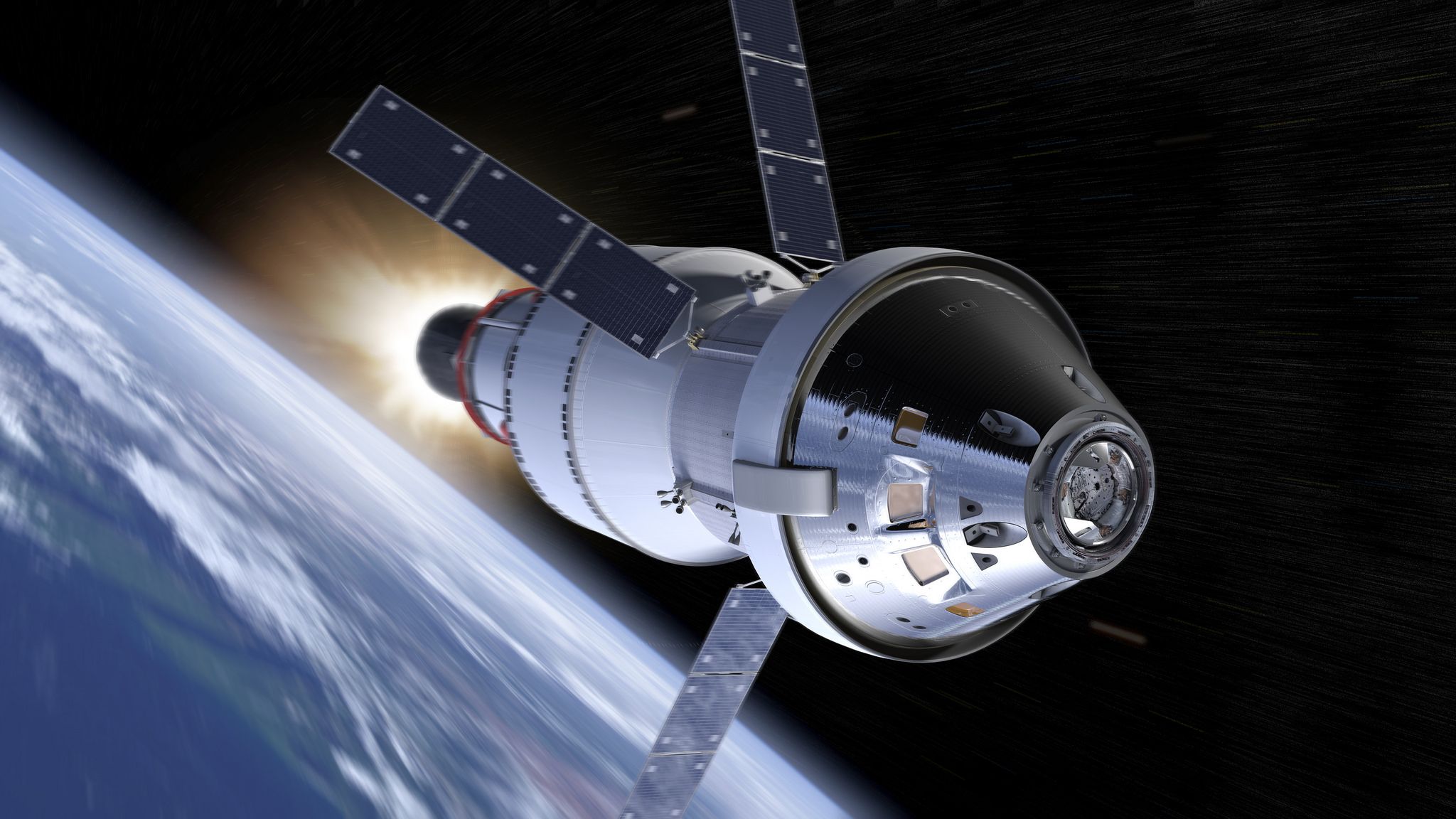
FREDERICKSBURG, VA — The next giant leap for human space exploration is drawing closer as NASA prepares for Artemis II, the first crewed mission in its ambitious Artemis program. The mission marks a historic return to deep space, sending astronauts around the Moon for the first time in more than 50 years since the era of Apollo 17.
Mission Overview
Artemis II is designed as a critical test flight that will carry four astronauts aboard the Orion spacecraft, launched by the powerful Space Launch System. Unlike its predecessor, Artemis I, which flew without a crew, this mission will put humans back on a trajectory beyond low-Earth orbit.
The crew will travel thousands of miles past the Moon, testing life-support systems, navigation, and spacecraft performance in deep space conditions before future missions attempt a lunar landing.
Meet the Artemis II Crew
NASA has selected a diverse and experienced team of astronauts for this historic journey:
- Reid Wiseman (Commander)
- Victor Glover (Pilot)
- Christina Koch (Mission Specialist)
- Jeremy Hansen (Mission Specialist, representing Canadian Space Agency)
This mission is especially significant as it includes the first woman and the first Black astronaut assigned to a lunar mission, highlighting NASA’s commitment to diversity and international collaboration.
Why Artemis II Matters
Artemis II is more than just a mission—it’s a stepping stone toward a sustained human presence on the Moon and eventually Mars. The mission will validate the systems needed for future lunar landings, including Artemis III, which aims to land astronauts near the Moon’s south pole.
The Artemis program also seeks to establish a long-term lunar base, enabling scientific research, resource exploration, and preparation for deep space missions.
Local Interest in Fredericksburg Region
Here in the Fredericksburg area, interest in space exploration continues to grow, especially with Virginia’s ties to aerospace innovation through nearby research institutions and NASA facilities. Missions like Artemis II inspire students, educators, and technology professionals across the Commonwealth.
Local schools and STEM programs are expected to follow the mission closely, using it as a real-world example of science, engineering, and international cooperation in action.
Looking Ahead
While an official launch date is still being finalized, Artemis II is expected to lift off within the next phase of NASA’s timeline, potentially as early as 2026. The mission will pave the way for humanity’s return to the lunar surface—and this time, to stay.
As the world watches, Artemis II represents a bold step forward, reigniting the spirit of exploration that first carried humans to the Moon and setting the stage for the next era of discovery.
Stay with FXBGnews.com for continued coverage of major science, technology, and innovation stories impacting Virginia and beyond. 🚀
- Canada Calls for Respect for International Law and Protection of Civilian Infrastructure
- FBI Director Files $250 Million Lawsuit Over Drunkenness Allegations in Media Report
- Missing Fredericksburg Teen Found Safe; Investigation Continues
- White House Deletes Trump Post After Earlier Defense Sparks Outrage
