
Table of Contents
Washington / Persian Gulf — The United States has intensified pressure on Iran by blocking at least 19 commercial vessels since launching a naval enforcement operation aimed at restricting the country’s maritime trade amid rising tensions in the Middle East.
According to the United States Central Command (CENTCOM), all intercepted ships were turned back without direct confrontation. Military officials stated that “zero vessels have successfully bypassed” the naval restrictions since the operation began earlier this week.
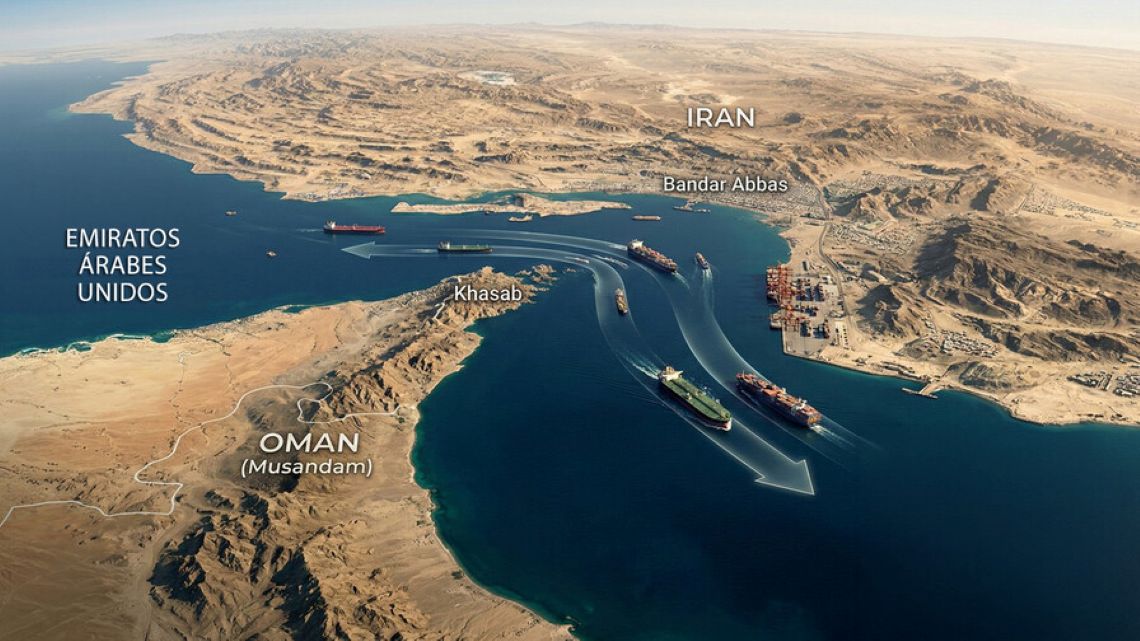
The blockade, initiated after the breakdown of negotiations between Washington and Tehran, applies to any vessel attempting to enter or leave Iranian ports. The operation is primarily taking place in the Gulf of Oman and near the strategic Strait of Hormuz, one of the world’s most critical energy corridors.
Escalation in Regional Tensions
The move marks a significant escalation in the broader standoff involving the United States, Israel, and Iran, raising international concerns about its impact on global energy markets and regional stability. Maritime traffic in the area has already declined, with many vessels delaying voyages or rerouting to avoid potential interception.
Washington has indicated that the objective of the blockade is to pressure Iran to alter its regional behavior, including its nuclear program and control over key shipping routes. However, countries such as China and several European nations have warned that the strategy could further deepen the crisis.
Global Impact and Economic Concerns
The Strait of Hormuz—through which roughly one-fifth of the world’s oil supply passes—has once again become a focal point of global concern. The uncertainty surrounding the blockade has contributed to volatility in oil prices and heightened anxiety among energy-dependent economies.
Although Iran has announced a temporary reopening of the passage during a fragile ceasefire period, the United States continues to enforce restrictions on Iranian ports, significantly limiting the country’s export capacity.
Risk of Broader Conflict
Tehran has warned it will respond if its interests are threatened, while U.S. officials have reiterated their commitment to intercept vessels linked to the Iranian government or suspected of transporting strategic materials.
International analysts caution that the situation remains highly volatile, and any incident in the region could trigger a larger direct confrontation with far-reaching global consequences.
For more international coverage, visit FXBGva.news 🌍
